
How to Build a Podcast Community of People Who Love Your Show
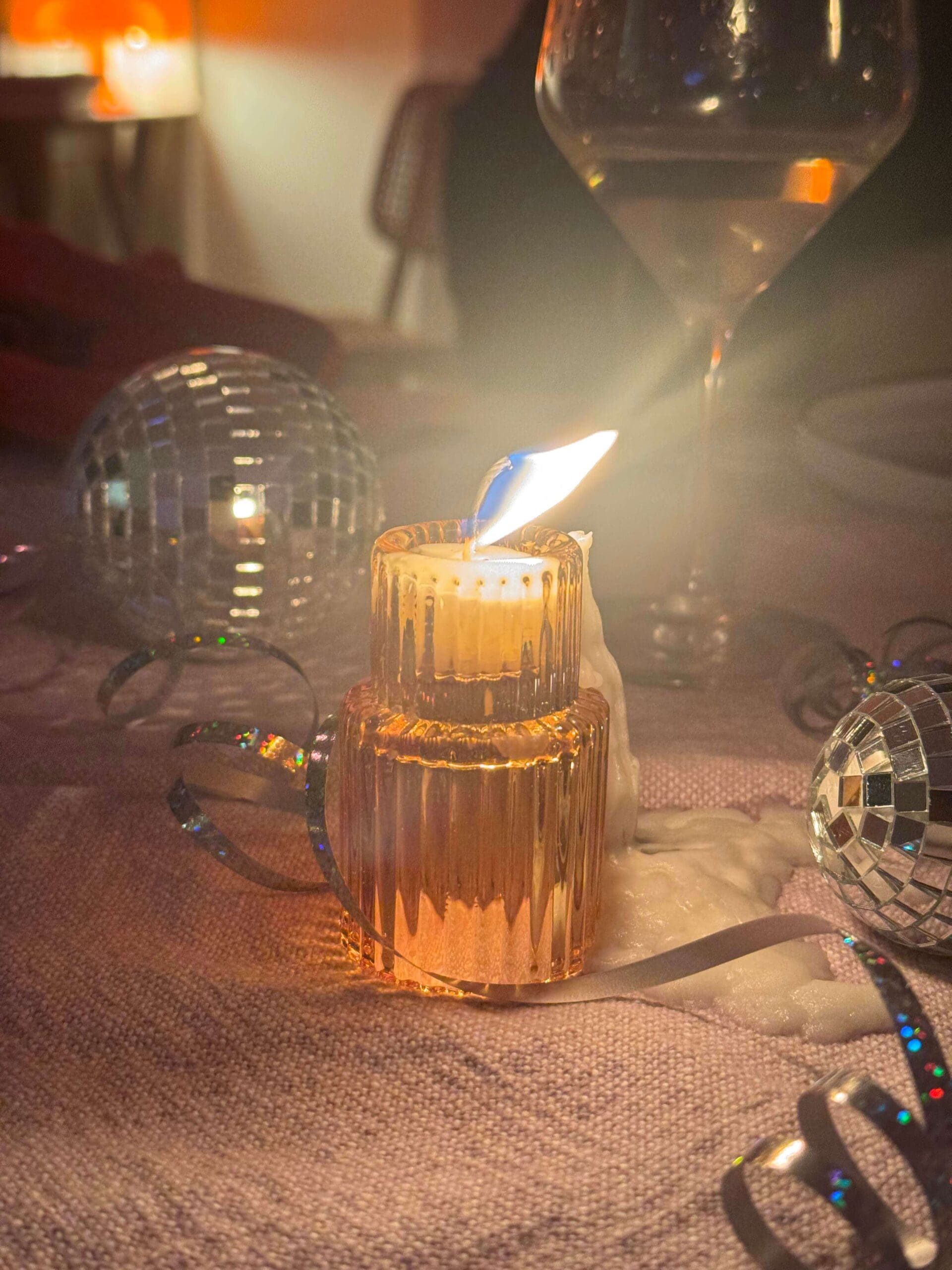
I’m sitting in an aqua blue inflatable swimming pool in the middle of my living room.
I glance up from the book I’m attempting to read in one sitting (Book Lovers by Emily Henry) at an ambiance video playing on my TV screen: bright green pastures, summer skies, chirping birds…
Next to the TV, we have a laptop with a 12-hour timer ticking down.
My book club is in the middle of a read-a-thon. Each of us has brought a stack of books we want to finish in a day. We have our three meals of the day planned, a plethora of snacks, and we’re dressed in our coziest loungewear.
It’s literally a perfect day of friendship and camaraderie, the kind of day I used to dream about having when I first moved to San Juan.
You see, Puerto Rico is a small island. It only takes about 3-4 hours to drive from one side to the other. But when I moved from my college town of Mayaguez to the metro area to start my adult life, I pretty much lost all of my friends, except my then-boyfriend, now-husband Chris, and my sister-in-law and best friend, Alyz.
The first word that comes to mind when I remember that period of my life is LONELY.
I dreaded Fridays and often went to bed crying because I wanted so badly to have friends to spend them with, but I didn’t know how.
Things took a turn for the better when I started a book club.
Friends who I had known loosely became sisters. All it took was a regular monthly meeting and a shared activity, and BOOM, we were close.
We started celebrating birthdays together, watching movies, going out to eat. And fast forward to now, I have two book clubs, a film club, a board game club, a weekly reality TV / dessert club called “What’s the Tea?”… I host dinners and look for any excuse to host a themed event.
So yeah. I’m convinced the secret to adult friendships is starting or joining a club.
The same principle applies to your podcast. If you want listeners who actually care about your show — who show up every week, who recommend you to friends, who feel invested in your success — you need to build a podcast community, not just an audience.
Develop Your Community’s Inside Language
Inside jokes aren’t just for IRL friendships. They’re one of the most powerful tools for building a podcast community.
When I started listening to My Favorite Murder by Karen Kilgariff and Georgia Hardstark, I decided to go back to their very first episode and listen to the entire back catalogue (which back then must’ve been like 200 eps!)
As I listened, I saw firsthand how the hosts naturally developed a shared language with listeners. And the more they did that, the more invested I felt.
Suddenly, I wasn’t just Adrienne, a casual listener.
I was a Murderino who knew better than to go into the forest or leave her door unlocked.
I laughed every time the hosts would say an inside joke because I was privy to it. I felt such a strong emotional connection to this podcast that I even bought their merch and joined Murderino Facebook groups.
Creating a community language with your listeners can:
- Increase loyalty and retention
- Build a deeper emotional connection
- Create a sense of belonging among fans
- Generate ideas for merch and other marketing opportunities
- Make the podcast memorable
- Differentiate it from other podcasts
But how do you do it?
1. Create memorable phrases.
No, you don’t have to sit down with a notepad and set apart an hour to do an intensive brainstorm for this. All you have to do is pay attention as you speak.
One day, you’ll say something clever, funny, and/or memorable that can be repeated in later episodes.
My Favorite Murder has so many of these:
- “Toxic masculinity ruins the party once again” – Said every time a story includes toxic masculinity, which in a podcast about true crime, is often.
- “Fuck politeness” – A mantra summing up how you should act if you feel like you’re in danger. This advice still sticks with me to this day.
- “Elvis want a cookie?” – Georgia used to ask this to her cat Elvis at the end of each episode and he would meow. When Elvis passed away, fans literally cried and since then they play a recording of him meowing at the end of each episode. 💔
2. Establish shared values.
When you allow your listeners to see your values, and you are consistent with them, this can cement their loyalty.
For example, through the true crime stories they share, Karen and Georgia highlight how women of color often get less news coverage than white women when they are victims of a violent crime, how rape kits go untested for years, and how victims should always be named and portrayed as the protagonists and active agents of their stories.
They have held firm in their values from the start, and their community knows and respects that.
3. Let it develop naturally over time.
Creating a community language can transform casual listeners into devoted fans who feel genuinely connected to you and each other.
You can start small with a community name or a few memorable phrases, and then just let it naturally develop over time!
Give Your Podcast Community a Name
Just like music artists have names for their fandoms, podcasters often create names for their communities.
- Giggly Squad listeners are called Gigglers.
- Point of the Story listeners are called Squirrels.
- Crime Junkie fans are called… Crime Junkies!
The first time I encountered this phenomenon was with the popular true crime comedy podcast My Favorite Murder, whose listeners are called “Murderinos.”
It started with a name and a Facebook group and eventually grew to sold-out live shows, different Murderino chapters in different cities, a book, a ton of merch, and My Favorite Murder becoming one of the top podcasts of all time.
Recently, Amy Poehler (who btw won the first Podcast Golden Globe ever recently!!!), announced on Instagram that they were trying to come up with a fan name for her podcast Good Hang and to please drop ideas in the comments. (Poehleroids won!)
Crucially, Amy and her team didn’t try to do this in episode 1. They waited until they had an active listener base and a well-defined podcast structure.
So if you want to do this with your own podcast listeners, here are a few tips:
1. Make sure you have an active community in place first.
You can do this by releasing episodes consistently, responding to every single listener comment, and even reading reviews or shouting out listener names in your podcast episodes. Start with the basics!
2. Once your community is growing, make sure they have a place to engage with your content and with each other.
This can be an Instagram page, a Facebook group, a WhatsApp group, a Patreon… Somewhere where you’re present and facilitating conversation around your episodes.
3. Pick a name!
You can do this Amy Poehler-style by just asking for ideas directly from listeners, or you can just start referring to your listeners with a name of your choosing that makes sense.
It can be name-derived like My Favorite Murder → Murderinos, tied to your show’s concept or theme, or it can emerge organically.
It could even be that without even trying, your listeners start calling themselves a name!
4. Use the name consistently.
Use it when addressing listeners at the beginning of episodes, in social media posts, in merch, everywhere!
Build Parasocial Connection (Make Them Feel Like They Know You)
Going back to the My Favorite Murder example, when I discovered it, I would listen to 2-3 episodes a day just because I loved the hosts, even though listening to so many true crime stories was terrible for my anxiety lol
I literally felt like I knew everything about Karen and Georgia, despite them having no idea who I was. This parasocial relationship turned me into a faithful listener who consumed about 300 episodes before deciding to give other podcasts a chance.
If you think about your favorite podcasts, you probably feel a similar affinity with the hosts as well. And if you stop and think about what they do to make you feel that way, I bet you’ll notice some of these patterns…
Be Vulnerable and Open
This is probably the most important quality in this list, and it doesn’t have to be as scary as you might think. It’s not that you have to speak to listeners as if you were their actual best friend, opening up about everything you feel, think, and have experienced.
You can choose what parts of yourself to share and what boundaries you need to keep in place, similar to what you do when showing up online. The point is to show them that you are a real and unique human.
You can do this by:
Admitting your mistakes and learning moments. My Favorite Murder has a segment called “Corrections Corner” where they acknowledge when they get something wrong or say something inaccurate in their stories.
Sharing a past struggle you don’t mind sharing and how you overcame it.
Speaking naturally and casually, not trying to sound too much “like a podcaster.”
Including personal details, stories, observations, opinions, recommendations… Giggly Squad has a newsletter where the hosts share what they’re currently watching, wearing, etc.
Acknowledging when you don’t know something.
Not taking yourself TOO seriously. Don’t edit out every single mistake, especially if it’s funny.
Including bloopers at the end!
Talk Directly to Listeners
When recording your episodes, picture your ideal listener as a real person you’re having a conversation with, and then talk directly to them.
Address them by their community name. Tell them stories. Joke with them. Ask them questions.
Yet agaiiiin, going back to the MFM example:
The hosts call their listeners “Murderinos.” They end every episode by saying, “Stay sexy and don’t get murdered.” They have inside jokes with their audience that they repeat episode after episode.
They share stories of what it was like growing up in the 80s. They address listeners in the middle of their stories to give them advice. They do minisodes where they read listener-submitted stories.
Their community is so strong that there are Murderino Facebook groups in every major city. There are meetups and fundraisers for charities that work with victims of crime.
This is obviously a huge podcast with more than 500 episodes, but the hosts did many of these strategies from Year 1.
Celebrate Your Community
Once you have people showing up, acknowledge them!
- Shout out listeners by name in episodes
- Feature listener content (stories, questions, artwork)
- Listener spotlights
- Celebrate community wins/milestones
When people feel seen and celebrated, they stick around.
Show Up Consistently
While I’m a big advocate for doing what works for you and having a sustainable podcast that you can keep up with, it’s undeniable that weekly podcasts facilitate growth and build trust faster.
Your listeners have frequent chances to know you, and they come to expect a new episode on the same day of each week, so your show becomes a part of their routine.
You don’t have to publish weekly if that doesn’t work for you. But whatever schedule you choose, stick to it. Consistency builds trust, and trust builds community.
You Don’t Need Thousands of Listeners to Build Community
You don’t even need hundreds.
If you have 50 listeners and 10 of them comment regularly, send you DMs, share your episodes, and feel connected to you, that’s a community!
So if you’re reading all these fun strategies and thinking, “But I only have 30 downloads per episode…” don’t think you can’t apply any of what you just read.
That’s 30 people who chose to spend time with you. Pick one strategy, and start there!
Nurture them, celebrate them, let them get to know you, show up for them consistently and watch them tell all their friends about your podcast.
If you found this post helpful, my newsletter is definitely for you! I send a free podcasting tip like this every Wednesday straight to your inbox, and you can subscribe to get it here!
YOUR NEXT READ ↴
3 Proven Ways to Build a Loyal Podcast Audience That Connects With You
How to Take A Break From Your Podcast Without Losing Your Audience
How to Handle Your First Negative Podcast Review
I’ll guide you through every single step of bringing your podcast to the table. From crafting a unique concept to creating a hype-generating launch plan, you’ll never feel lost or stuck along the way.
Once your podcast is up and running, I’ll handle all the tasks you dread, so you can reclaim your time and keep your podcast the most joyful and effortless part of your marketing strategy.
Let’s sit down for a coffee and get to know each other.
MEET YOUR FAIRY PODMOTHER
Hi, I’m Adrienne Cruz—Podcast Manager, Launch Strategist, & Creative Collaborator

Step one is creating a super-specific and unique podcast concept.
Grab my freebie "The Podcast Starter" to launch a podcast that stands out from the start!
Want to start a podcast but have no idea where to BEGIN?

